
Author: Tatiana Pilipenko, PhD
-
The Use of AI in Health Care: Artificial Intelligence Benefits and the Liability Risks Behind Them
•
The same model that speeds a diagnosis can also invent a finding that was never there. That tension defines the risks of artificial intelligence in medicine. This article speaks to clinical leaders and health-tech founders. We map where AI helps, where it fails, and who answers when the system slips.…
-
Large Language Models in Medicine: Benchmarking Clinical Reasoning and Model Performance
•
AI now sits beside diagnosis, triage, and documentation in daily care. Yet vendor claims about large language models in clinical medicine often outpace the evidence. This review shows what the benchmarks actually measured and why sober model performance data beats marketing. Read on for the tasks, the numbers, and the…
-
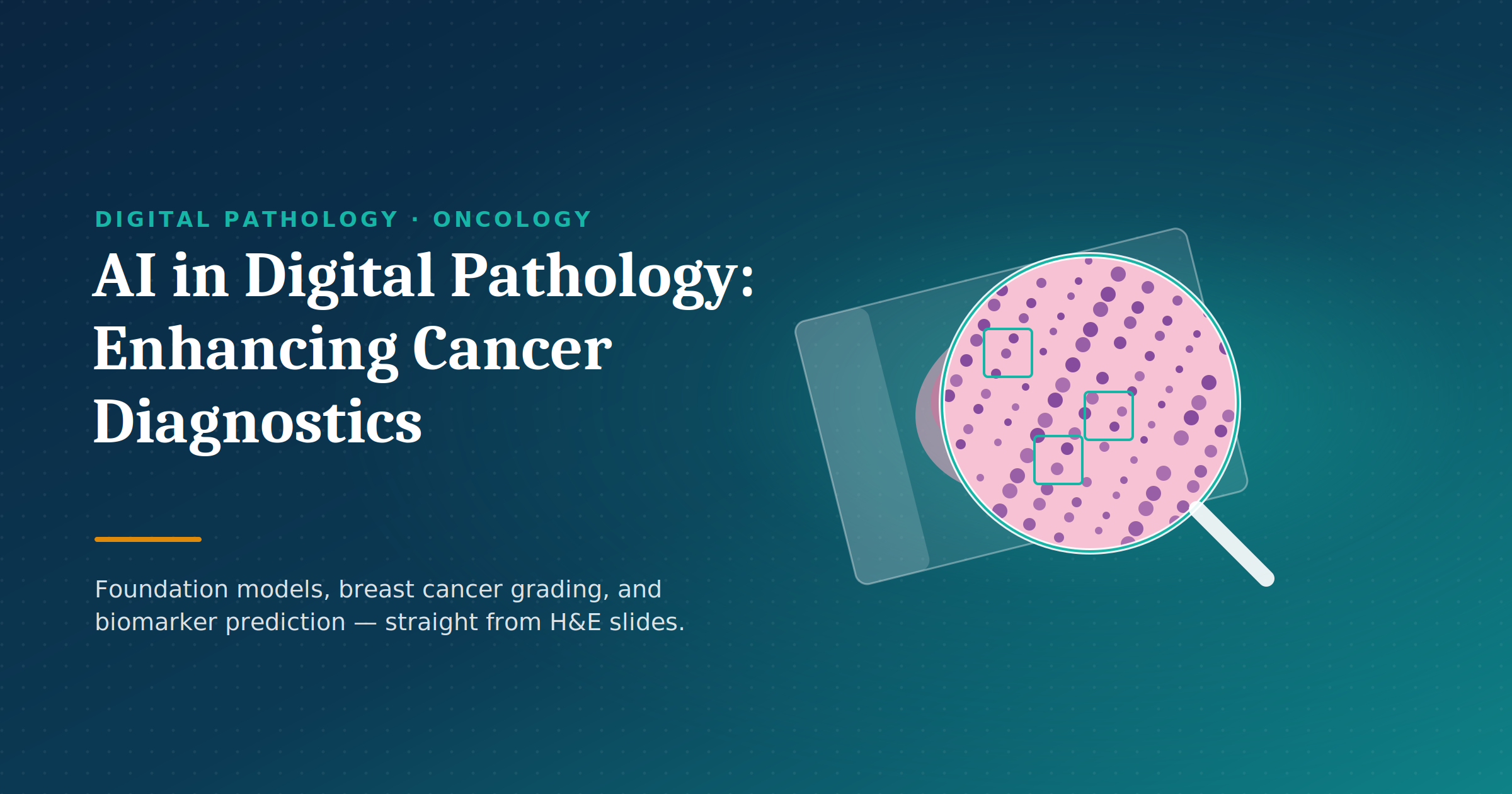
How Artificial Intelligence Is Reshaping Cancer Pathology and Diagnostics
•
Pathology moved from glass slides under a microscope to whole-slide imaging on a screen. Artificial intelligence-driven tools now read those digital images, flag suspicious regions, and quantify features in seconds. This shift powers AI in pathology cancer detection across tumor types, sharpening both diagnosis and prognosis for patients. Where AI…
-

Artificial Intelligence in Mental Health Care: Enhancing Diagnosis and Treatment
•
Fewer than one in ten people with depression receives adequate treatment worldwide. The rest wait, or never gain access to mental health resources at all. Meanwhile, AI in mental health diagnosis now runs inside working products rather than papers. This article covers three applications of AI, the evidence behind each,…
-

ChatGPT in Medicine: How AI Chatbots and OpenAI Tools Are Transforming Patient Care
•
Every day, millions of people use ChatGPT for questions that once went straight to a doctor. Meanwhile, clinicians and healthcare organizations quietly adopt the same OpenAI technology behind the scenes. ChatGPT in healthcare offers real benefits, yet it carries genuine limits and risks. This guide follows the evidence, not the…
-

The Use of Artificial Intelligence in Cardiovascular Medicine: How AI Is Reshaping Cardiology and Digital Health
•
Cardiovascular disease remains the world’s leading cause of death. Meanwhile, cardiac imaging, ECGs, and wearable data outpace what any cardiologist can read. Artificial intelligence in cardiology helps close that gap, and regulators have already cleared such tools for hospital use. This guide shows what works, grounded in peer-reviewed evidence. What…
-

When Medical AI Gets It Wrong: Understanding Algorithmic Bias in Healthcare AI and How to Mitigate It
•
AI bias in healthcare is documented, not theoretical. Models learn from historical health records, and those records inherit the inequities of the systems that produced them. An AI model can look accurate overall and still fail one group of patients badly. This article maps where bias in medical algorithms starts,…
-

How AI and Robotic-Assisted Surgery Are Revolutionizing Modern Healthcare
•
Traditional open surgery relied on steady hands and years of training. Now robotic surgery artificial intelligence tools reshape modern surgery. Surgeons perform surgery through precise robotic arms while AI models read the field live. Using AI for guidance, teams edge toward autonomous robotic surgery and eventually surgery without human help.…
-
When Artificial Intelligence Gets It Wrong: Untangling Liability for AI-Driven Medical Errors
•
Algorithms have moved from research labs into exam rooms. One question follows them inside: who is responsible when AI makes a medical mistake? A misread scan, a wrong dose, a missed warning – each can harm a patient. When something goes wrong, the answer stays unsettled. What This Article Covers…
-
How Ambient AI Scribes Reduce Physician Burnout and the Administrative Burden on Clinicians
•
Doctors spend more hours on paperwork than with patients. That imbalance fuels exhaustion across medicine. Ambient AI scribes now offer a practical way out. This article explains how AI reduces doctor burnout, what these tools do, which platforms lead the market, and where the technology is heading. What an AI…