
Author: Tatiana Pilipenko, PhD
-
How AI-Based Wearable Sensors Are Revolutionizing Health Monitoring
•
Sensors have shrunk. Machine learning has matured. Together they power AI wearable health monitoring devices that track your body around the clock. The hardware captures raw signals. The AI layer gives those signals meaning. That shift moves wearables from step counters to clinical instruments, and it is reshaping continuous health…
-
Does AI Outperform Physicians at Diagnosing Diseases?
•
The headlines are loud. Can AI diagnose diseases better than doctors? On narrow, well-defined tasks, artificial intelligence sometimes matches or beats clinicians. Yet replacing physicians oversimplifies what the evidence shows. This diagnostic review weighs the real numbers, separates genuine diagnostic accuracy gains from vendor noise, and keeps human expertise in…
-
Using AI to Detect Structural Heart Disease and Heart Failure from a Simple ECG
•
A standard electrocardiogram takes five minutes and costs almost nothing. Now the same test can flag hidden heart problems early. This guide explains how AI detects heart disease from ECG, turning a routine strip into a screening tool. An AI model reads patterns that once needed an echo or MRI.…
-
The Use of AI in Health Care: Artificial Intelligence Benefits and the Liability Risks Behind Them
•
The same model that speeds a diagnosis can also invent a finding that was never there. That tension defines the risks of artificial intelligence in medicine. This article speaks to clinical leaders and health-tech founders. We map where AI helps, where it fails, and who answers when the system slips.…
-
Large Language Models in Medicine: Benchmarking Clinical Reasoning and Model Performance
•
AI now sits beside diagnosis, triage, and documentation in daily care. Yet vendor claims about large language models in clinical medicine often outpace the evidence. This review shows what the benchmarks actually measured and why sober model performance data beats marketing. Read on for the tasks, the numbers, and the…
-
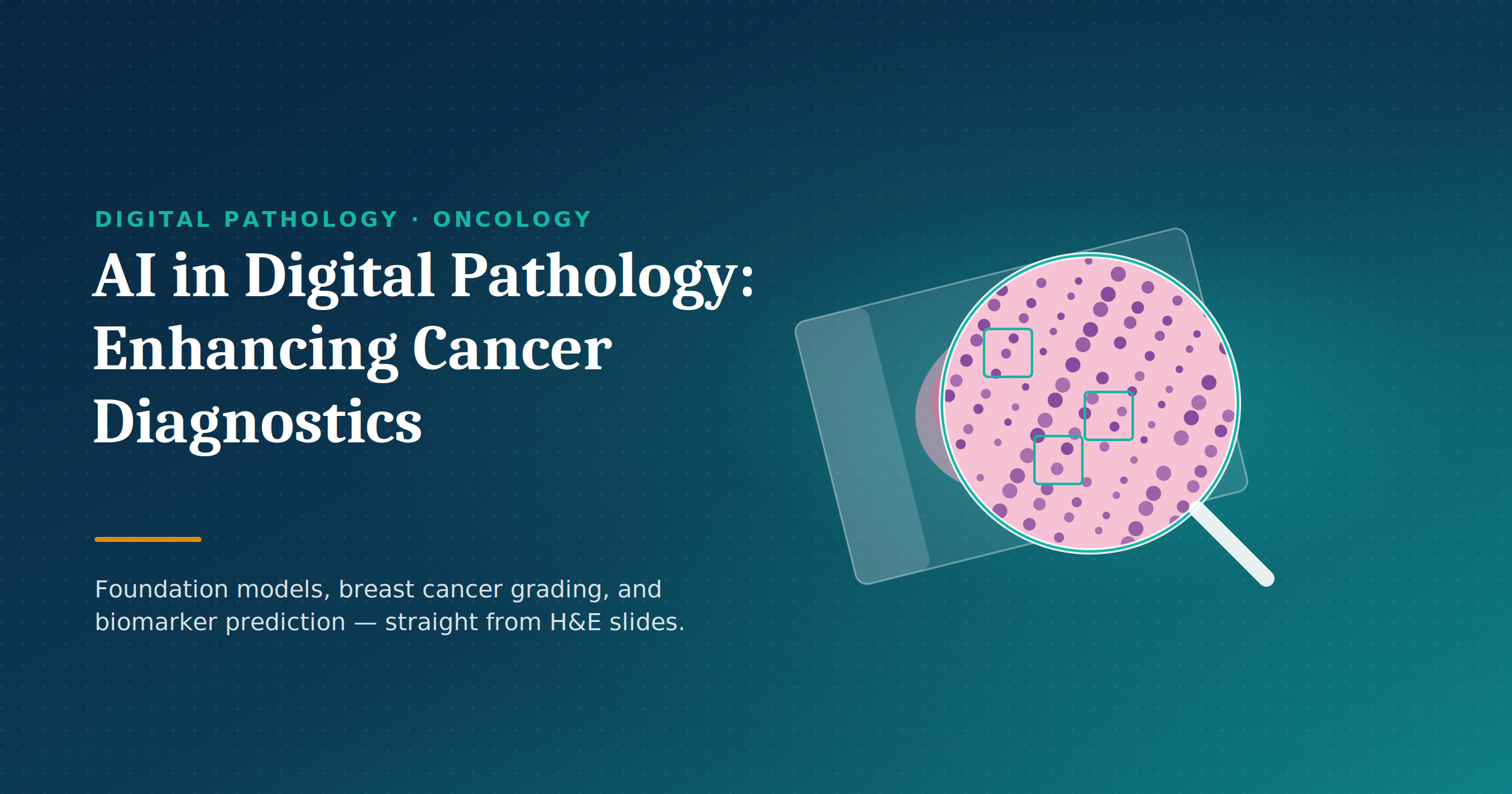
How Artificial Intelligence Is Reshaping Cancer Pathology and Diagnostics
•
Pathology moved from glass slides under a microscope to whole-slide imaging on a screen. Artificial intelligence-driven tools now read those digital images, flag suspicious regions, and quantify features in seconds. This shift powers AI in pathology cancer detection across tumor types, sharpening both diagnosis and prognosis for patients. Where AI…
-

Artificial Intelligence in Mental Health Care: Enhancing Diagnosis and Treatment
•
Fewer than one in ten people with depression receives adequate treatment worldwide. The rest wait, or never gain access to mental health resources at all. Meanwhile, AI in mental health diagnosis now runs inside working products rather than papers. This article covers three applications of AI, the evidence behind each,…
-

ChatGPT in Medicine: How AI Chatbots and OpenAI Tools Are Transforming Patient Care
•
Every day, millions of people use ChatGPT for questions that once went straight to a doctor. Meanwhile, clinicians and healthcare organizations quietly adopt the same OpenAI technology behind the scenes. ChatGPT in healthcare offers real benefits, yet it carries genuine limits and risks. This guide follows the evidence, not the…
-

The Use of Artificial Intelligence in Cardiovascular Medicine: How AI Is Reshaping Cardiology and Digital Health
•
Cardiovascular disease remains the world’s leading cause of death. Meanwhile, cardiac imaging, ECGs, and wearable data outpace what any cardiologist can read. Artificial intelligence in cardiology helps close that gap, and regulators have already cleared such tools for hospital use. This guide shows what works, grounded in peer-reviewed evidence. What…
-

When Medical AI Gets It Wrong: Understanding Algorithmic Bias in Healthcare AI and How to Mitigate It
•
AI bias in healthcare is documented, not theoretical. Models learn from historical health records, and those records inherit the inequities of the systems that produced them. An AI model can look accurate overall and still fail one group of patients badly. This article maps where bias in medical algorithms starts,…