
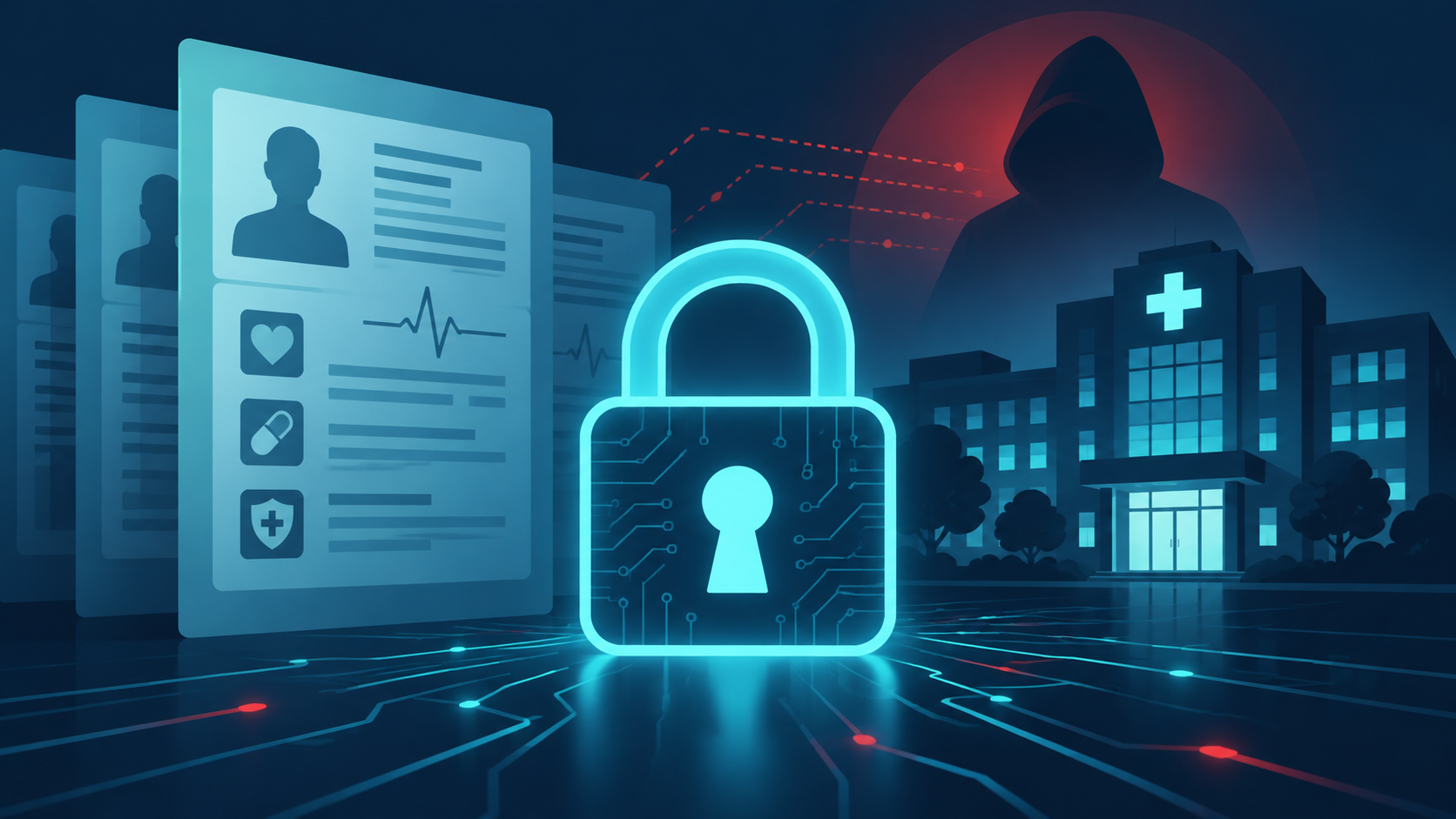
Data leakage in healthcare is no longer a rare event. Every year, hospitals, insurers, and their vendors report breaches that expose millions of patient records. This article looks at the latest statistics, the main causes and types of breaches, what they cost, and how healthcare organizations can reduce the risk.
What Is Data Leakage in Healthcare, and When Does It Become a Data Breach?
Data leakage in healthcare means any exposure of patient data to people who should not see it. The exposure can be deliberate, as in a hacking attack, or accidental, as in a misdirected email. A healthcare data breach is the most visible and best documented form of such leakage.
In the United States, federal law makes breaches measurable. HIPAA requires a healthcare organization to report each breach affecting 500 or more individuals to the Department of Health and Human Services. These reports appear on a public breach portal run by the Office for Civil Rights [1]. That portal is the basis for most data breach statistics in healthcare, and for the kind of healthcare data analytics we describe elsewhere on this site.
The types of healthcare data at risk go beyond diagnoses. A single record can combine health data, social security numbers, and credit card data. That mix makes healthcare records valuable to criminals.
The types of data breaches are just as varied. Hacking and IT incidents dominate recent years. Unauthorized access, theft, loss, and improper disposal still account for many smaller events.
The next sections give an analysis of data breaches in detail. We cover the scale and breach size, the causes of healthcare data breaches, the costs, and the steps that prevent data breaches.
Why Data Breaches Matter in Healthcare
The healthcare industry in particular is a target. The digital transformation of the healthcare industry has moved sensitive data onto networked systems, and medical data sells for more than most personal data. Legal and ethical duties already shape how health data may be used. A security breach harms patients directly through identity theft, insurance fraud, and lost trust in healthcare providers.
2,149 Breaches and 176.4 Million Records: Eight Years of U.S. Reports
Researchers at Massachusetts General Hospital [2] reviewed every breach posted on the federal portal from 2010 through 2017. They found 2,149 breaches with 176.4 million records in total. The number of data breaches grew almost every year, from 199 in 2010 to 344 in 2017.
The typical breach was small, but the largest were huge. The median breach size was 2,300 records. The largest single breach exposed 78.8 million.
Who gets breached also matters. Health care providers accounted for 70% of breaches, yet only 21% of breached records. Health plans showed the reverse pattern: 13% of breaches, but 63% of records.
The medium tells the clearest story. Paper and film caused the most events, at 24%. Network servers caused only 19% of breaches but held 79% of all breached records. As data moved online, hacking and IT incidents overtook theft by 2016.
The study has one caution. A single breach can fall into several categories, so shares across media and types do not sum to 100%. The trends still hold. For any healthcare organization, the lesson is direct. One server breach can expose more patient data than years of lost paper files.
Hacking Leads the Causes of Healthcare Data Breaches
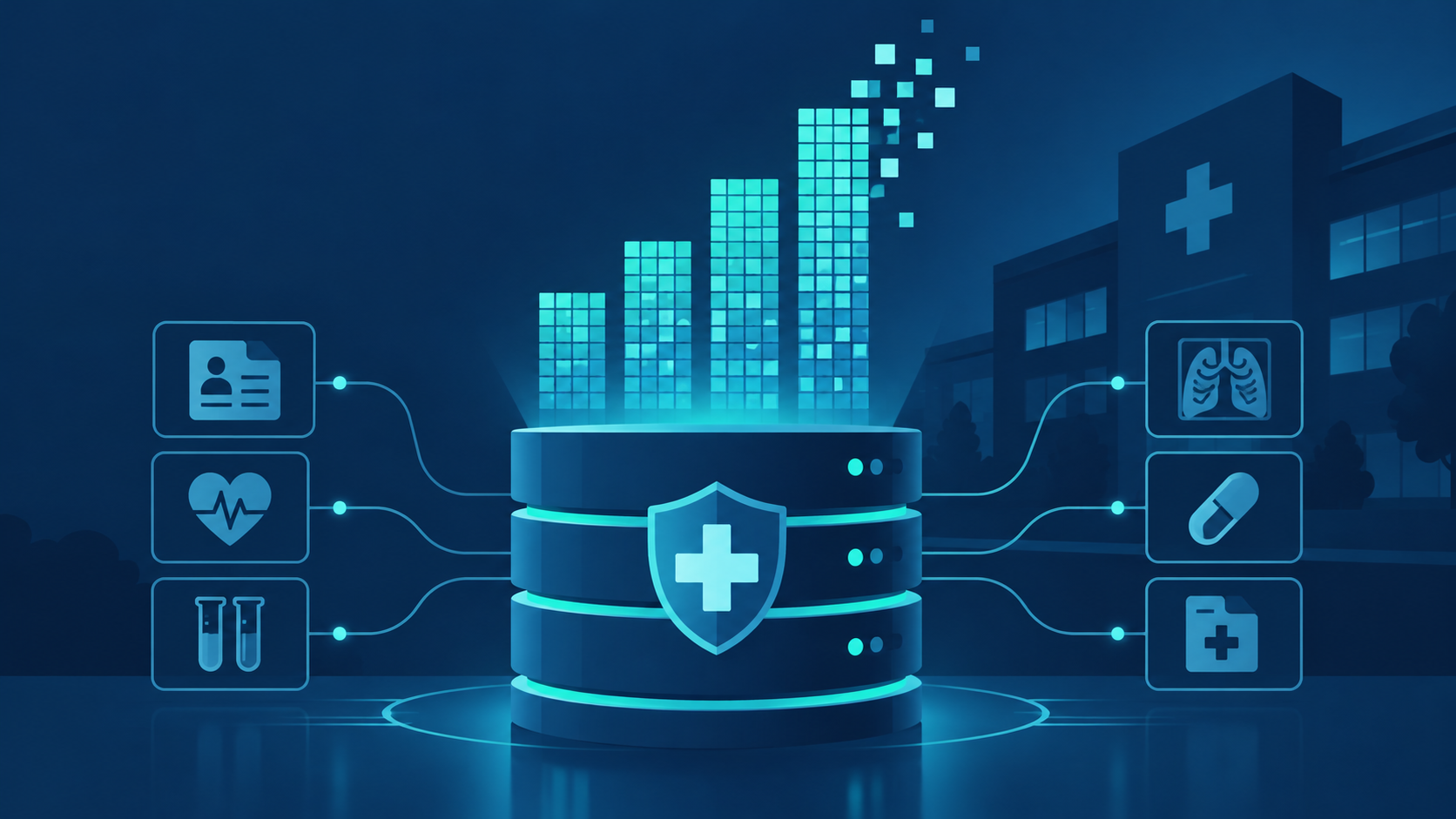
A team at Babasaheb Bhimrao Ambedkar University [3] analyzed 3,912 confirmed healthcare data breach cases from 2005 to 2019. Healthcare held the largest share of breached data among all sectors in their dataset, at about 43%.
The causes follow a clear trend. Hacking and IT incidents were the most common type, and they grew 73.4% from 2018 to 2019 alone. Over the same period, unauthorized disclosure fell 0.7%, theft and loss fell 7.8%, and improper disposal fell 22.2%.
Where the data lives shapes the risk. In recent years, email and network servers were the main breach locations. Earlier in the decade, paper records and portable devices were the weak points.
Government data confirm the pattern. According to HIPAA reports cited in the study, 255.18 million people were affected in 3,051 incidents from 2010 to 2019.
The authors also forecast the trend with time-series models. Their result: without stronger data security, data breaches and their costs will increase. For the healthcare sector, prevention is no longer optional.
The Average Cost of a Healthcare Data Breach: $7.42 Million
IBM’s annual Cost of a Data Breach Report [4] puts a price on the problem. The 2025 edition studied 600 organizations with breaches between March 2024 and February 2025.
Healthcare recorded the highest average cost of a data breach of any industry: $7.42 million. That is down from $9.77 million the year before, but still far above the global average of $4.44 million. In the United States, the average across industries reached $10.22 million.
Time adds to the damage. Healthcare breaches took 279 days to identify and contain, the longest of any sector. That is more than five weeks above the global average.
Attackers target patient data for a reason. Personal information from healthcare records can feed identity theft and insurance fraud for years. A stolen card number, in contrast, loses value the moment a bank cancels it.
The report also notes a gap in defenses. Many organizations still lack basic controls and audit practices, even as attacks grow more automated. For healthcare providers, the true cost of data leakage in healthcare is measured in patient trust as much as in dollars.
The Future: Preventing Data Breaches in Healthcare
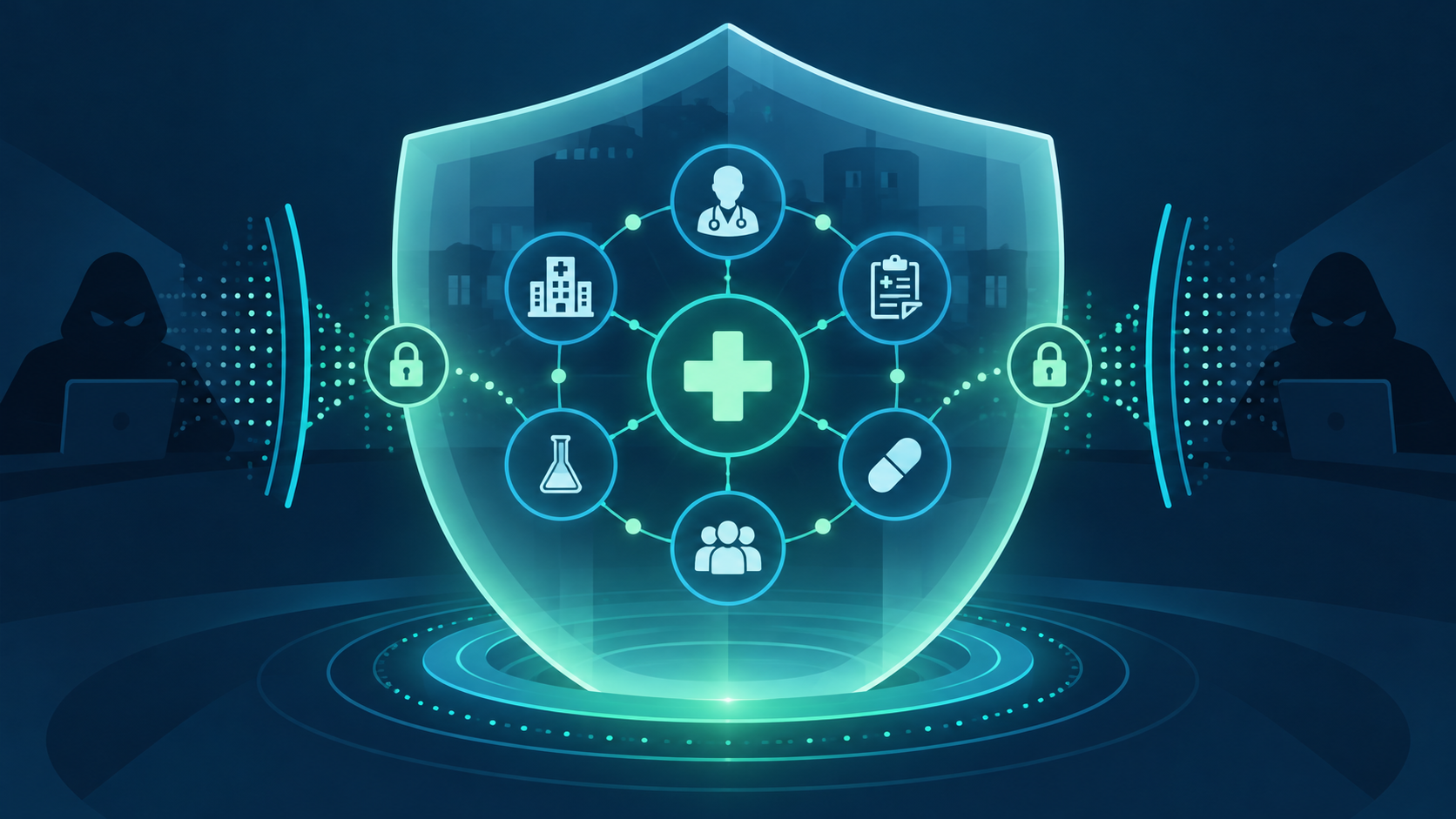
Regulation is tightening. In the United States, the Office for Civil Rights enforces HIPAA and can fine organizations after a HIPAA breach. In Europe, the General Data Protection Regulation treats health data as a special category with extra protection. Its fines can reach 4% of a company’s global revenue.
Rules alone do not prevent data breaches. Technical basics still stop most attacks: data encryption, strong access controls, network segmentation, and prompt patching. Regular security risk assessments catch weak points early. Staff training matters too, since phishing remains a leading cause of breaches.
Oversight is becoming a formal expectation. Healthcare systems increasingly audit vendors and demand proof of data protection before sharing data. The same logic drives the clinical validation of AI tools: independent checks before trust.
The forecast is clear. The time-series models from Seh and colleagues [3] project that data leakage in healthcare will increase in frequency and cost without these measures. Organizations that invest in prevention now will face the next decade from a stronger position.
Talk to Us About Your Data
At Neural Board, we help healthcare organizations work with data safely and rigorously. If your team faces questions about data leakage in healthcare, evidence quality, or AI tools, contact us. We will review your case and tell you honestly what we find. No commitment, no sales pitch.